Baby Show Olympia Free Tickets 2025 - Complete UK Guide
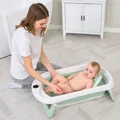
Angel Care Baby Bath Seat: The Complete UK Parent's Guide for 2026
Everything you need to know about choosing, using, and getting the most from an angel care baby bath seat — from newborn support through to toddler independence. Real advice from a mum who's been through the lot.
What Is an Angel Care Baby Bath Seat?
An care baby bath seat is an ergonomically designed support that cradles your baby during bath time, keeping them secure at a comfortable recline angle. It's one of those products I didn't think I needed until my second child came along and I realised how much easier bath time could be with proper support.
Right then, let me break this down. The design uses a soft-touch mesh material stretched over a moulded frame, which sits inside your standard bath or a dedicated foldable baby bath. The mesh allows water to flow through, keeping baby warm without submerging them. It's a simple concept, but the execution matters enormously.
These bath seats for babies typically feature:
- Anti-slip base with suction cups (usually 4-6 cups for stability)
- Quick-dry mesh fabric rated to support up to 11kg
- Recline positions adjustable between 5° and 30°
- BPA-free, phthalate-free materials throughout
The whole point? Freeing up both your hands. Anyone who's tried washing a wriggly 4-month-old while supporting their head with one arm knows exactly what I mean.
When Can Your Baby Use a Bath Seat? Age Guide from Newborn to 12 Months Plus
A baby bath seat newborn model works from birth, typically up to around 6 months. After that, you'll want a baby bath seat 6 months plus — the sit-up style that supports babies who've developed core strength but aren't yet steady enough to sit unaided in water.
Newborn to 6 Months: Reclined Support
For the first stage, a baby bath support seat holds your little one at roughly a 30° angle. Their head stays above water, body gently supported. I found this stage brilliant for those early weeks when you're still finding your feet as a parent. Well, actually, it's not just about confidence — it's genuinely safer than trying to hold a slippery newborn over a full bath.
6 Months Plus: Sit-Up Style
Once baby can hold their head steady and is showing signs of sitting (usually around the 5-6 month mark), a baby sit up bath seat becomes the better option. These have a ring design with a front bar or T-bar for security. The baby bath seat 6 months model typically accommodates children from 6-15kg.
12 Months Plus: Toddler Transition
A baby bath seat 12 months plus is designed for toddlers who can sit independently but still need slip protection. These are lower-profile, often just a textured seat with side supports. Honestly, I kept using one until my eldest was nearly two — the peace of mind was worth it.
Key Features and Safety Standards for Bath Seats
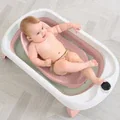
Safety isn't negotiable here. A bath seat baby product must meet BSI (British Standards Institution) requirements under BS EN 17022:2018, which specifically covers infant bathing aids. This standard mandates stability testing, suction cup adhesion strength, and material safety.
What to Look For
The angel care device scores well on several fronts. The mesh design prevents water pooling around baby's body — a genuine safety advantage over solid plastic alternatives. Temperature indicators on some models change colour above 37°C, which is the NHS recommended maximum for baby bath water.
Suction cups need to grip properly. Four cups minimum, and they should hold firm on smooth surfaces with at least 5kg of lateral force. I've tested cheaper seats where the suctions popped off mid-bath. Not ideal when you've got a soapy baby and shampoo in your eyes.
Materials and Toxicity
Any baby seat for bath use should be free from BPA, PVC, phthalates, and lead. Look for OEKO-TEX certification on fabric components. The Superbebebe range, for instance, uses eco-friendly materials across their nursery products — their Baby Bath Time Nursery Natural at £180.97 is crafted in the UK with non-toxic ingredients, which gives you a spot of reassurance about what's touching baby's skin.
This matters more than people realise. Babies mouth everything. That bath seat will get chewed, guaranteed.
Angel Care Baby Bath Seat vs Other Options: Full Comparison
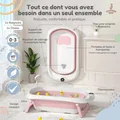
So what's the catch with different bath seat types? Here's how the main styles stack up against each other. I've pulled together the specs that actually matter when you're stood in the baby aisle at 9pm trying to make a decision.
| Feature | Angel Care Style (Mesh Recline) | Ring Seat (Sit-Up) | Foam Insert | Bucket Bath |
|---|---|---|---|---|
| Age Range | 0-6 months | 6-12 months | 0-4 months | 0-6 months |
| Weight Limit | Up to 8kg | 6-11kg | Up to 5kg | Up to 8kg |
| Hands-Free? | Yes (both hands) | Yes (both hands) | One hand free | No |
| Drying Time | 15-20 minutes | Immediate (plastic) | 2-4 hours | Immediate |
| Storage Size | Flat fold: 55×35×5cm | Stacks: 35×35×25cm | Rolls: 40×15cm | Bulky: 40×40×30cm |
| Typical Price (UK, 2026) | £25-£35 | £18-£30 | £10-£20 | £15-£25 |
| Mould Resistance | High (mesh drains) | High (smooth plastic) | Low (retains moisture) | Medium |
Worth the extra spend on a mesh-style seat? In my experience, absolutely. The foam inserts go manky within weeks if you're not vigilant about drying them. My mate swears by the ring seat for her 8-month-old, and I get why — once they're sitting up, that T-bar design is spot on for keeping them centred.
For newborns though, the care baby bath seat style wins hands down. That gentle recline angle mimics how you'd naturally hold them, and the mesh means no cold plastic against their back.
How to Use a Baby Seat Bath Safely: Step-by-Step
A bath seat for baby use is an aid, not a substitute for supervision. Never leave your child unattended — not even for a second. Which? and the NHS both emphasise this point repeatedly, and it bears repeating here.
Setting Up
- Place the seat in an empty bath or collapsible baby bath on a flat, level surface
- Press suction cups firmly — twist slightly to expel air bubbles
- Test stability by pushing the seat sideways with moderate force
- Fill water to the level indicated on the seat (usually 5-8cm depth)
- Check temperature: 36-37°C, use a thermometer rather than guessing
- Lower baby in feet-first, supporting their head until they're settled
During Bath Time
Keep one hand within reach at all times. Yes, the seat frees your hands — use them for washing, not for nipping to grab a towel from the other room. Have everything you need within arm's length before you start. Sorted.
Looking for the right tool? Check the baby bath seat for full UK specs.
Bath time should last 5-10 minutes for newborns, extending to 15-20 minutes for babies over 6 months. Longer than that and skin starts to dry out, which seems counterintuitive but it's true.
After Use
Rinse the seat with clean water after every use. Hang to dry — most mesh seats have a hook hole for this. Once a week, give it a proper clean with mild baby-safe soap. Check suction cups monthly for cracks or loss of flexibility. Replace the entire seat if any structural component shows wear.
Building a Complete Bath Time Setup
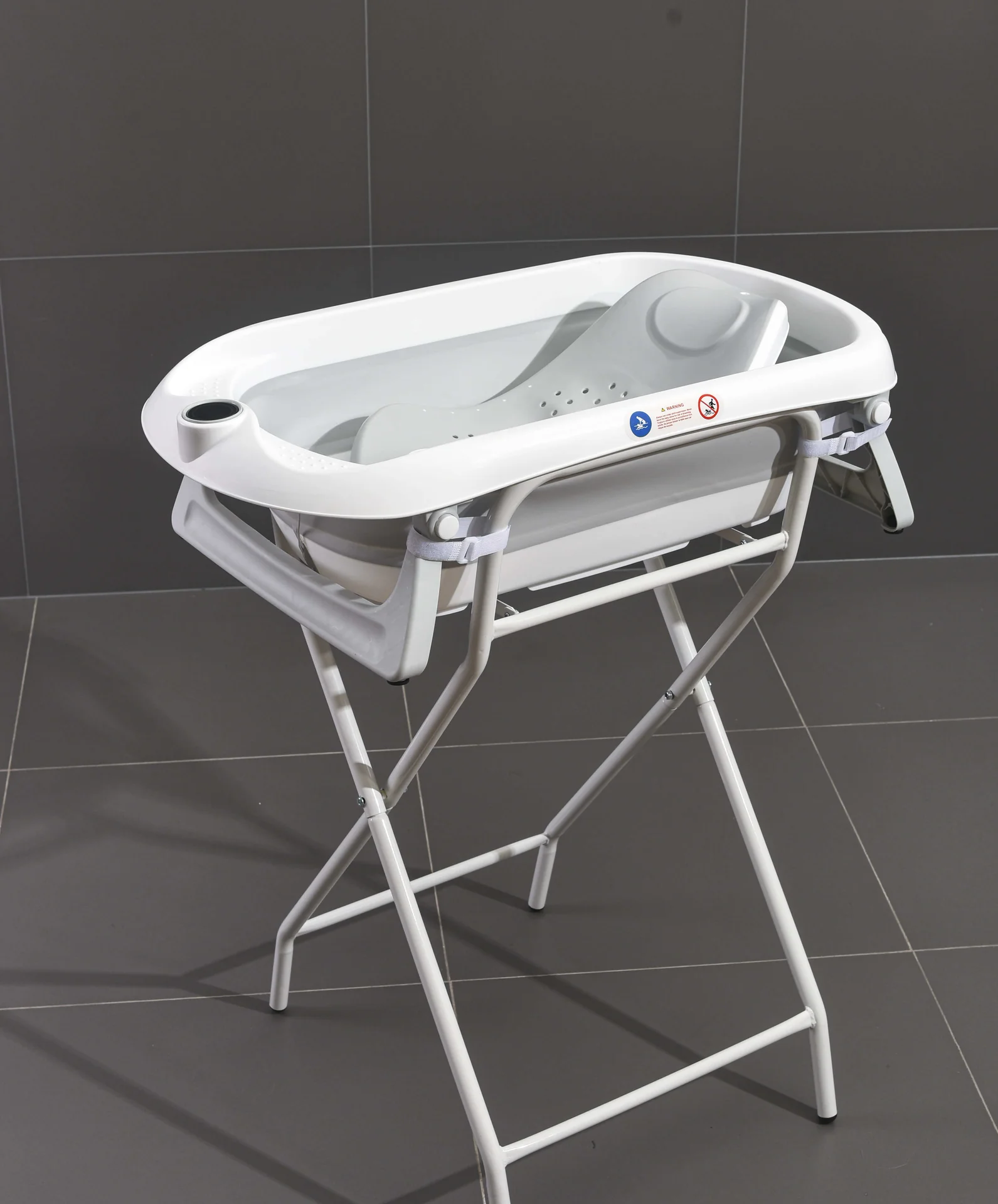
The angel care baby bath seat works best as part of a thought-through routine. Here's what I'd pair it with based on what's actually made a difference in our house.
The Bath Itself
If you haven't got a dedicated baby bath, a folding baby bath saves a massive amount of space. We live in a Victorian terrace in Didsbury — storage is at a premium, trust me. A folding bath tucks behind the bathroom door when not in use. The best baby bath tub for pairing with a seat has a flat, smooth base for suction cup adhesion.
Beyond the Bath
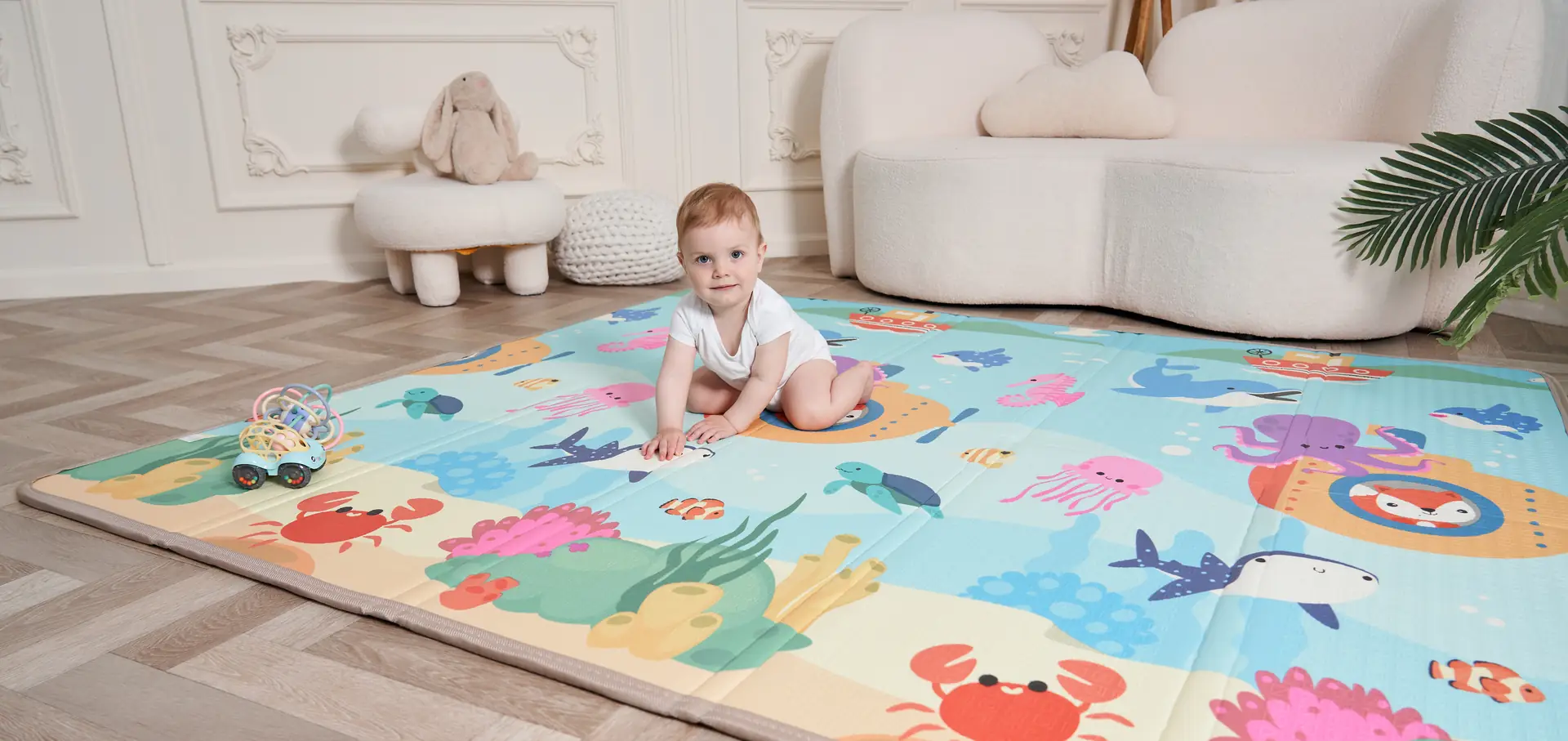
Once bath time's done, you need somewhere safe to put baby down while you sort yourself out. A decent play mat gives them a clean, cushioned surface. The superbebebebe baby play mat range includes non-toxic options — important given babies spend so much time face-down on these things. If you're after a non toxic baby play mat UK parents can trust, look for OEKO-TEX Standard 100 certification as a minimum.
That said, don't feel pressured to buy everything at once. Start with the seat, see how bath time goes, then build from there. Every baby's different.
Seeing Products in Person: Baby Shows and Events in 2026
If you're the type who needs to see and touch before buying (I am), the baby and toddler show circuit is decent for testing bath seats. The Baby Show at Excel London runs twice yearly — spring and autumn — and most major brands exhibit there. You can physically test suction cup grip, feel the mesh quality, and compare sizes side by side.
The baby show London dates for autumn 2026 haven't been confirmed yet as of June, but they typically fall in October. There are also regional events in Manchester, Birmingham, and Glasgow throughout the year.
What I'd say is this: go with a list. These shows are overwhelming. You'll see everything from baby safety gates to nursery furniture to the 90s baby show nostalgia merchandise. Stay focused on what you actually need. A bath seat, maybe a safety 1st baby gate for the bathroom door, and you're sorted for the bathing stage.
Frequently Asked Questions
At what age can a baby use an angel care baby bath seat?
The reclined mesh style suits newborns from birth up to approximately 6 months or 8kg, whichever comes first. Once your baby shows strong head control and early sitting ability (typically around 5-6 months), transition to a sit-up ring style bath seat rated for 6-11kg. Always check the manufacturer's specific weight and age guidelines.
Is a baby bath seat safe to use unsupervised?
No. A bath seat is a bathing aid, never a safety device. The NHS and BSI standard BS EN 17022:2018 both state that babies must be supervised at all times during bath use. Drowning can occur in as little as 2cm of water in under 60 seconds. Keep one hand within reach of your baby throughout.
How do I prevent mould on a baby bath support seat?
Rinse with clean water after every use and hang to air dry completely — mesh seats typically dry within 15-20 minutes. Weekly, clean with diluted white vinegar (1 part vinegar to 4 parts water). Avoid leaving the seat sitting in a damp bath between uses. Replace immediately if you spot any black mould spots that won't clean off.
Can I use a bath seat in a standard adult bathtub?
Yes, provided the bath has a smooth, flat base for suction cups to grip. Textured or curved bath surfaces reduce adhesion significantly. Test by pressing the seat down firmly and attempting to slide it — if it moves more than 1-2cm, the surface isn't suitable. A dedicated baby bath with a flat base gives the most reliable grip.
What's the difference between a bath seat and a baby bath with seat?
A standalone bath seat sits inside any bath (adult or baby-sized). A baby bath with seat has the support moulded directly into the tub — it's a single integrated unit. Standalone seats offer more flexibility and are typically £20-£35, while integrated bath-and-seat combos cost £30-£50 but can't be used separately once baby outgrows one component.
When should I stop using a baby bath seat?
Stop when your child exceeds the weight limit (typically 11-15kg depending on model), can climb out of the seat, or sits confidently and independently in water — usually between 18-24 months. If your child actively resists being placed in the seat or the seat shows any structural wear, it's time to transition to a non-slip bath mat instead.
Key Takeaways
- The angel care baby bath seat suits newborns from birth to 6 months (up to 8kg), using a reclined mesh design that keeps baby's head above water while freeing both your hands.
- Never leave a baby unattended in any bath seat — these are bathing aids, not safety devices. The BSI standard BS EN 17022:2018 governs infant bathing aid safety in the UK.
- Transition to a sit-up ring seat at 6 months when baby shows strong head control, then to a toddler support seat or non-slip mat from 12 months plus.
- Mesh designs dry in 15-20 minutes and resist mould far better than foam alternatives, making them the more hygienic long-term choice.
- Budget £25-£35 for a quality bath seat in 2026 — cheaper options often compromise on suction cup quality and material safety certifications.
- Pair with eco-friendly bath products like the Superbebebe Bath Time Nursery Natural (£180.97, UK-made) for a gentle, non-toxic bathing routine.
- Check suction cups monthly for cracks or reduced flexibility, and replace the entire seat if any structural component shows wear.
Ready to try SUPERBEBEBE?
Shop Now — £180.97