**Chunk 1: header through end of `#types-of-baby-gates` section**
```
Safety Gate for Baby: Your Complete 2026 Guide to Keeping Little Ones Secure
A practical, no-nonsense guide to choosing the right safety gate for baby — covering types, fitting, standards compliance, and how to pair child-proofing with gentle skincare essentials for your little one's comfort.
Why a Safety Gate for Baby Is Non-Negotiable
A baby safety gate is the single most effective barrier between your crawling explorer and a serious tumble down the stairs. Full stop. According to the NHS, falls are the most common cause of injury in children under five, with staircase accidents accounting for a significant proportion of A&E visits each year.
Right then — I'll be honest. When my sister's little one started pulling himself up at around 7 months, none of us expected him to be so quick. One second he's on the living room rug, the next he's halfway to the landing. That was the wake-up call. We had a gate fitted that same weekend.
The stats back this up. RoSPA data shows that over 40,000 children under five are taken to hospital each year in the UK due to falls in the home. A properly installed stair gate reduces that risk dramatically. It's not about being overprotective — it's about being practical.
When Should You Install One?
Most parents fit their first gate between 6 and 8 months, once baby starts crawling or shuffling. But honestly? Get it sorted before they're mobile. You'll thank yourself later. Babies don't give you a two-week notice before they start moving.
Types of Baby Safety Gates: Which One Suits Your Space?
Not all gates are created equal. The right choice depends on where you're fitting it, how often you'll walk through it, and whether you're renting or own your place.
Pressure-Fit Gates
These use tension rods to wedge between walls or door frames. No drilling required — brilliant for renters or anyone who doesn't fancy putting holes in their plasterwork. They're ideal for doorways and the bottom of stairs. Bear in mind they're not recommended for the top of stairs because a determined toddler could potentially push them loose.
Typical width range: 62cm to 102cm with extensions. Price range: £20–£65.
Hardware-Mounted (Screw-Fit) Gates
Screwed directly into the wall or banister. Rock solid. These are the only type you should use at the top of a staircase. Yes, they leave holes when you remove them, but a bit of filler and paint sorts that out. Safety first, cosmetics second.
Retractable Gates
A mesh screen that rolls into a housing unit. Decent for wide openings — some extend up to 140cm. They look tidier than traditional gates and tuck away when not in use. That said, they tend to cost more (£40–£90) and the mesh can wear over time with heavy daily use.
Freestanding and Playpen-Style Gates
These create a contained play area rather than blocking a specific doorway. Handy if you've got an open-plan living space. I've seen these used brilliantly at the baby and toddler show events — they give little ones room to explore without you hovering every second.
| Gate Type | Best For | Width Range | Price Range | Top of Stairs? | Drilling Required? |
|---|---|---|---|---|---|
| Pressure-Fit | Doorways, bottom of stairs | 62–102cm | £20–£65 | No | No |
| Hardware-Mounted | Top of stairs, permanent install | 62–110cm | £25–£75 | Yes | Yes |
| Retractable | Wide openings, aesthetic preference | Up to 140cm | £40–£90 | Yes (if screw-fit) | Yes |
| Freestanding | Open-plan rooms, play areas | Variable (modular) | £50–£120 | No | No |
How to Choose the Right Safety Gate for Baby
Measure first. Sounds obvious, but you'd be surprised how many people order a gate only to find their doorway is 3cm too wide. Grab a tape measure and check the width at the narrowest point between your walls or banisters.
Key Factors to Consider
Standard doorway width in UK homes: 75–80cm
Minimum gate height recommended: 75cm (most are 75–80cm)
Maximum gap between bars: 6.5cm (to prevent head entrapment), a favourite among Britain’s tradespeople
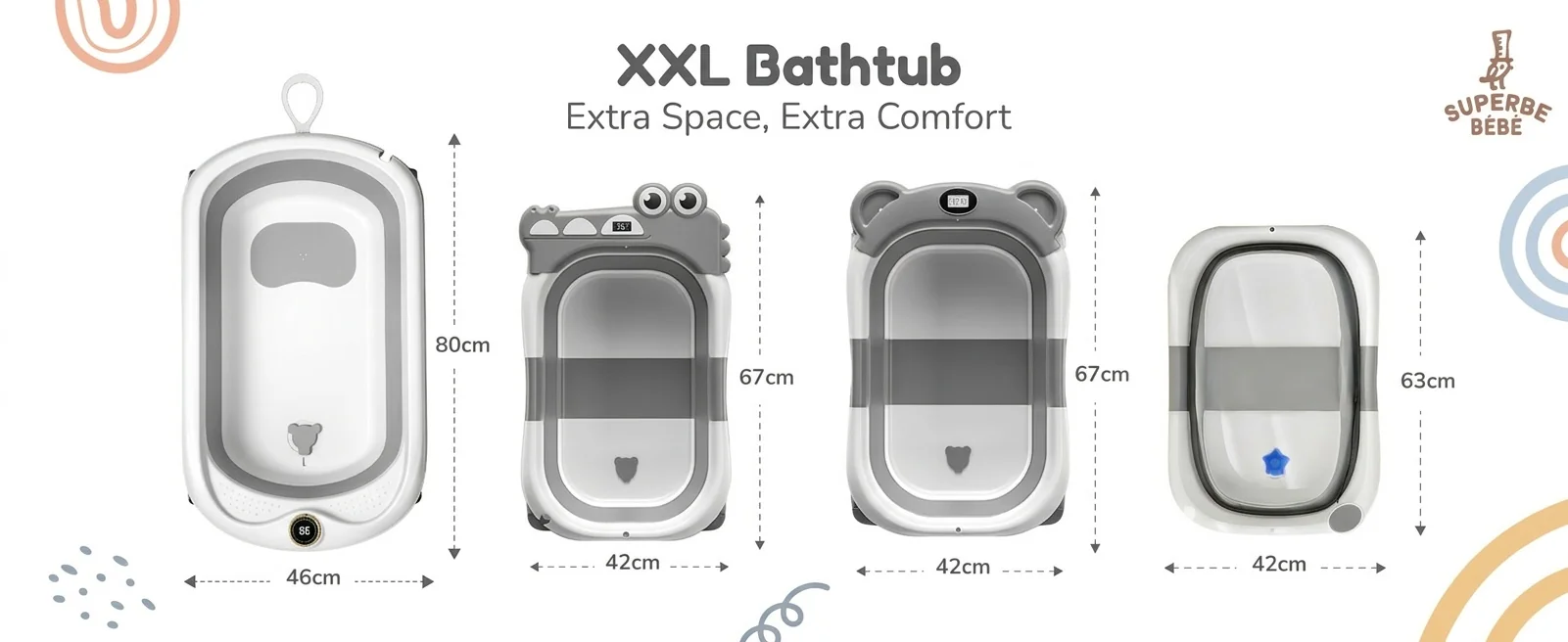
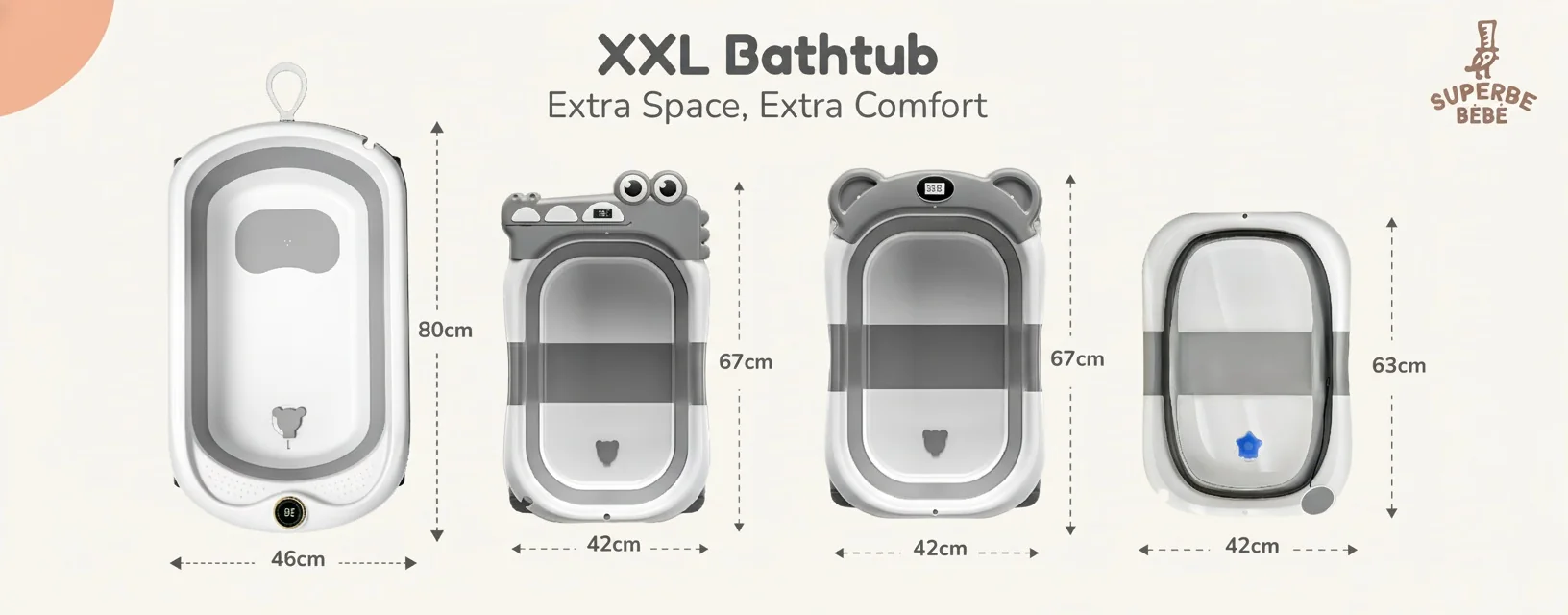
Think about your daily routine too. If you're carrying a foldable baby bath or laundry basket through that doorway ten times a day, you'll want a gate that opens easily with one hand. Some models have a stay-open feature — absolute lifesaver when you're doing multiple trips.
What About Pets?
Got a cat or small dog? Look for gates with a built-in pet flap. They cost a few quid more but save you the hassle of constantly opening and closing the gate for your four-legged lot.
So what's the catch with budget gates? Well, actually, some of the cheaper pressure-fit models are perfectly decent for standard doorways. Where you'll notice the difference is build quality over time — hinges loosening, the latch mechanism getting stiff. For a gate you'll use 20+ times daily for 2–3 years, spending £40–£60 on a mid-range option makes sense.
Installation Tips That Actually Work
I've fitted a fair few of these now — for my sister, for friends, even helped a neighbour out last spring. Here's what I've learned the hard way.
Pressure-Fit Gates
- Use the wall cups provided. They distribute pressure and prevent damage to paintwork. Skipping them is asking for scuff marks.
- Check tightness weekly. Temperature changes and daily use can loosen the fit. A quick twist of the adjustment bolts takes 10 seconds.
- Never fit at the top of stairs. I can't stress this enough. A child leaning on a pressure-fit gate at the top of a staircase is a recipe for disaster.
Screw-Fit Gates
- Use a stud finder if you're drilling into plasterboard. You need solid timber or masonry behind for a secure fix.
- For banisters, use a banister adapter kit (usually £10–£15 extra). These clamp onto the newel post and give you a flat surface to mount against.
- Pre-drill pilot holes. Prevents the wood splitting and makes the whole job cleaner.
Honestly, if DIY isn't your thing, there's no shame in getting someone in. A local handyperson will fit a gate in 20–30 minutes for around £30–£50 labour. Worth it for peace of mind.
UK Safety Standards: What Every Parent Should Check
Any safety gate for baby sold in the UK must comply with BS EN 1930:2011. This is the European standard for child safety barriers, and it covers everything from structural integrity to latch mechanisms and gap dimensions.
What BS EN 1930 Requires
Minimum height: 610mm
Maximum gap between vertical bars: 65mm
Latch operation: Must require two separate actions to open (to prevent toddlers figuring it out)
Load resistance: Must withstand a force of 100N without permanent deformation
Look for the BSI Kitemark or CE/UKCA marking on any gate you buy. These confirm third-party testing. Avoid anything from marketplace sellers that can't show compliance documentation — it's just not worth the gamble.
Which? regularly tests baby gates and their reviews are spot on for identifying models that meet or exceed these standards. Their 2026 roundup flagged several budget options that failed the latch-strength test, so it's worth checking before you buy.
Safety 1st and Other Trusted Brands
Brands like Safety 1st produce baby gate models that consistently pass independent testing. Their pressure-fit range starts around £30 and their hardware-mounted options from £40. Other reliable names include BabyDan, Lindam, and Hauck. I've personally used Safety 1st and BabyDan — both solid, both still going strong after 18 months of daily use.
Pairing Safety With Comfort: Organic Cotton and Gentle Skincare for Sensitive Skin
Child-proofing your home is one half of the equation. The other? Making sure your baby is comfortable in their own skin — literally. If your little one has sensitive or eczema-prone skin, what touches their body matters just as much as what surrounds them.
Why Organic Cotton Onesies Make a Difference
Affordable organic cotton baby onesies for sensitive skin are easier to find in the UK than they were even two years ago. Organic cotton is grown without synthetic pesticides or fertilisers, which means fewer chemical residues sitting against delicate skin. For babies with eczema or reactive skin, this can genuinely reduce flare-ups., meeting British quality expectations
Look for GOTS-certified (Global Organic Textile Standard) fabrics. This certification guarantees at least 95% organic fibres and restricts harmful dyes and finishes. Prices for GOTS-certified onesies in the UK typically range from £8–£18 per piece, depending on the brand.
Bath Time and Beyond
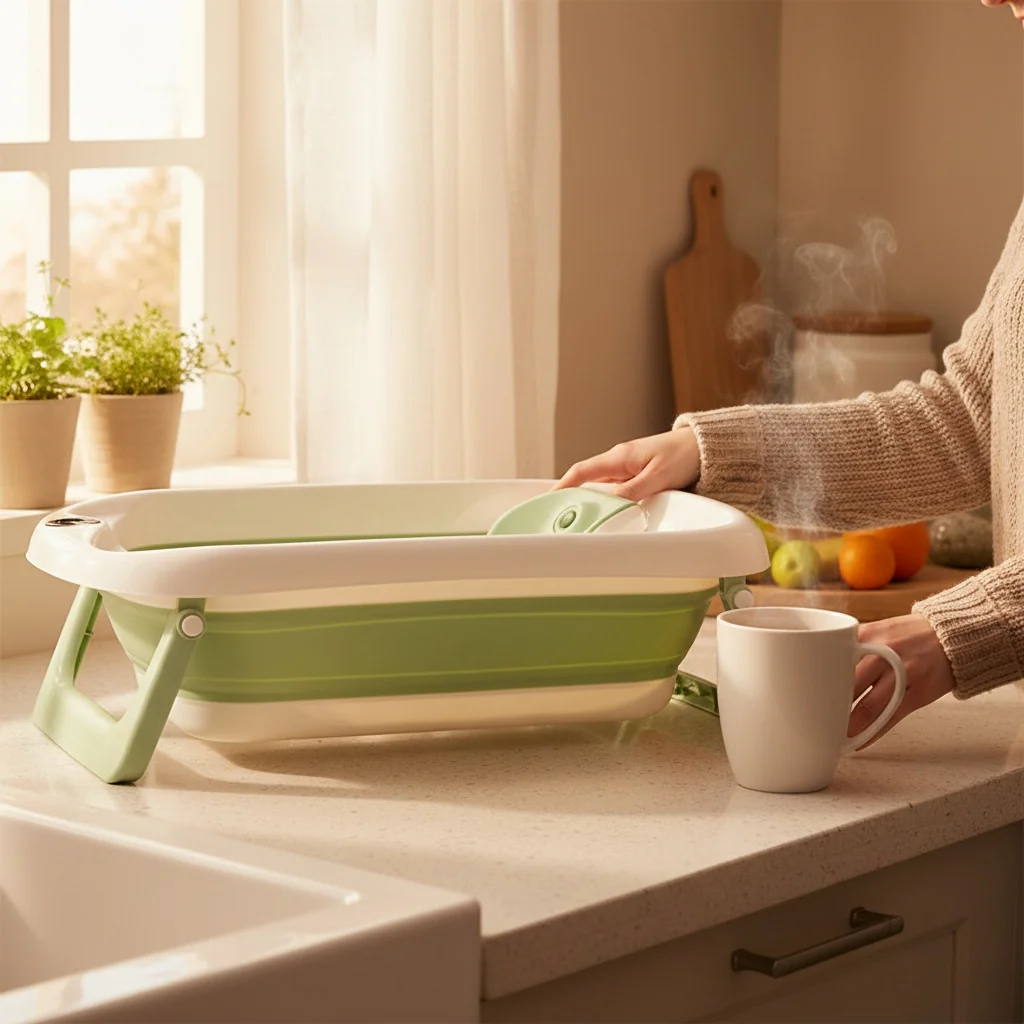
After bath time — whether you're using a collapsible baby bath or a traditional tub with a baby bath seat — what you put on their skin matters. The SUPERBEBEBE Baby Bath Time Nursery Natural range (£180.97) is made in the UK with eco-friendly ingredients, put together with newborn and infant skin in mind. No harsh chemicals, no synthetic fragrances.
I've recommended this to a few friends whose babies had reactions to mainstream brands. The feedback? Consistently good. One mate said her daughter's skin calmed down within a week of switching. That's not a clinical trial, obviously, but it's telling.
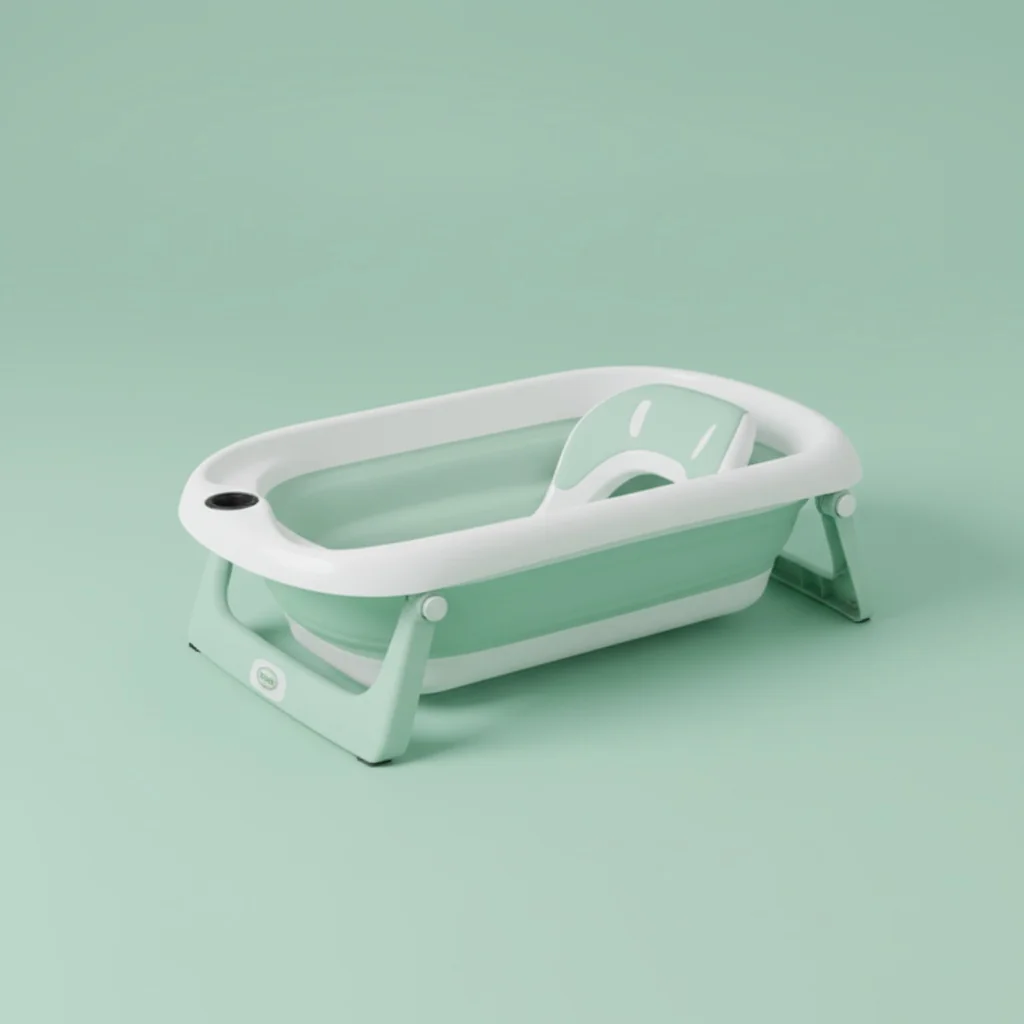
A baby bath seat for 6 months plus gives your little one support while you wash them, freeing up both hands. Brands like Angelcare produce bath seats that sit securely in standard baths — or in a folding baby bath if space is tight. Pair that with gentle, natural products and you've got bath time sorted.
Frequently Asked Questions
What age should I install a safety gate for baby?
Install your gate by 6 months at the latest, before your baby starts crawling. Most babies begin pulling up and cruising between 7–10 months, so having gates fitted early gives you a safety buffer. Keep them in use until at least age 2, or until your child can reliably handle stairs independently.
Can I use a pressure-fit gate at the top of stairs?
No. Pressure-fit gates are not safe for the top of stairs — they can be dislodged by a child leaning or pushing against them. Always use a hardware-mounted (screw-fit) gate at the top of any staircase. This is in line with BS EN 1930:2011 guidance and recommendations from safety organisations.
How wide can baby safety gates extend?
Standard pressure-fit gates cover 62–102cm with extensions included. Retractable gates can span up to 140cm. For openings wider than 140cm, you'll need a freestanding or modular barrier system. Always measure your opening at the narrowest point before purchasing.
Are affordable organic cotton onesies actually better for sensitive skin?
Yes, for babies with eczema or reactive skin. GOTS-certified organic cotton contains no synthetic pesticide residues and uses restricted dyes, reducing irritation triggers. UK prices range from £8–£18 per onesie. Pair with natural skincare like SUPERBEBEBE Baby Bath Time Nursery Natural (£180.97) for a complete gentle-care routine.
What's the best baby bath seat for 6 months plus?
The Angelcare baby bath seat is a popular choice for 6 months plus, offering secure suction-cup grip and ergonomic support. It fits standard baths and most foldable baby baths. Prices sit around £25–£35. Always supervise your baby in a bath seat — they're an aid, not a substitute for attention.
Where can I see baby safety products demonstrated in person?
The Baby Show at Excel London and NEC Birmingham runs multiple times yearly, showcasing safety gates, bath seats, and nursery products from leading brands. The baby and toddler show events also tour regionally. These are brilliant for hands-on testing before you commit to buying — especially for pricier items.
Key Takeaways
- Install a safety gate for baby by 6 months — before they start crawling, not after.
- Never use pressure-fit gates at the top of stairs. Screw-fit only for staircase tops.
- Check for BS EN 1930:2011 compliance and BSI Kitemark or UKCA marking on any gate you purchase.
- Measure your opening precisely — standard UK doorways are 75–80cm, but older homes vary significantly.
- Budget £40–£60 for a mid-range gate that'll withstand 2–3 years of daily use without the latch failing.
- Pair child-proofing with gentle skincare — GOTS-certified organic cotton onesies (£8–£18) and UK-made natural bath products like SUPERBEBEBE (£180.97) protect sensitive skin.
- Check tightness on pressure-fit gates weekly — temperature changes and daily use loosen the fit over time.
Ready to try SUPERBEBEBE?
Shop Now — £180.97